Temples get most of the attention in Madurai, understandably, but the city's real character shows up just as much in its markets, food, and craft traditions. If you've already done the temple circuit, or just want a different kind of day, here's what else the city actually has.
Pudhu Mandapam
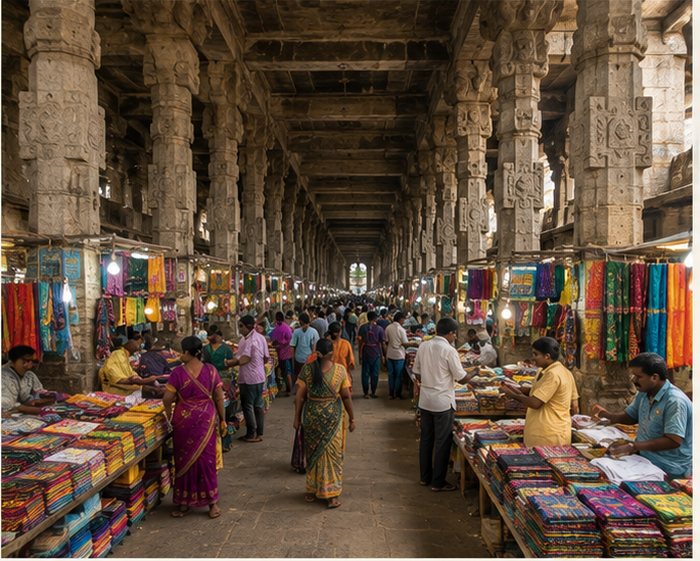
A 17th-century pillared hall right next to Meenakshi Amman Temple, now a bustling market — vendors selling everything from Madurai's famous cotton sarees to wooden toys, brassware, and stoneware, set amid genuinely massive stone pillars. Open roughly 9 AM to 8:30 PM. Bargaining is normal here, not rude.
Murugan Idli Shop
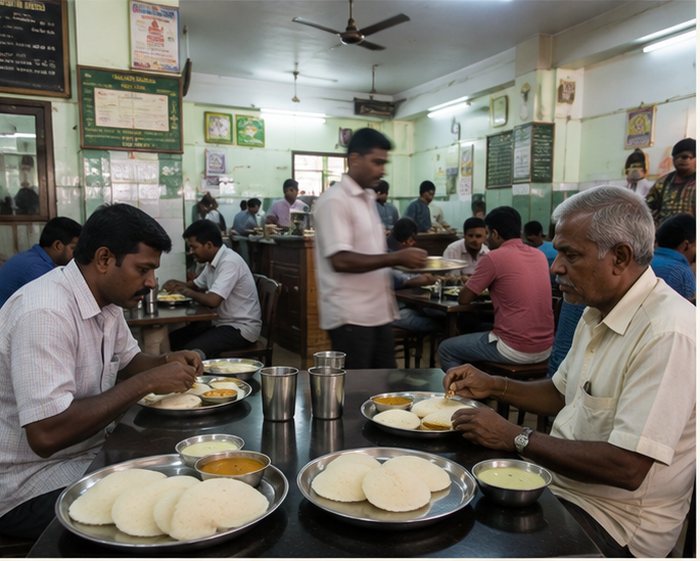
One of the most recommended food stops in the city, and for a simple reason — the idlis are genuinely excellent, and the whole experience (busy, casual, fast) is a real slice of how Madurai actually eats, not a tourist version of it. Multiple locations across the city.
Jigarthanda - Madurai's Signature Drink
If there's one drink genuinely synonymous with this city, it's jigarthanda - a cold, layered glass of milk, almond gum (china grass/nannari-based jelly), sarsaparilla syrup, and ice cream, sold at small dedicated counters across the city rather than at general juice shops. It's sweet, filling, and very much a Madurai-specific thing rather than a generic South Indian drink you'd find everywhere - worth trying at least once, especially after a hot afternoon of temple-hopping.
Banana Market
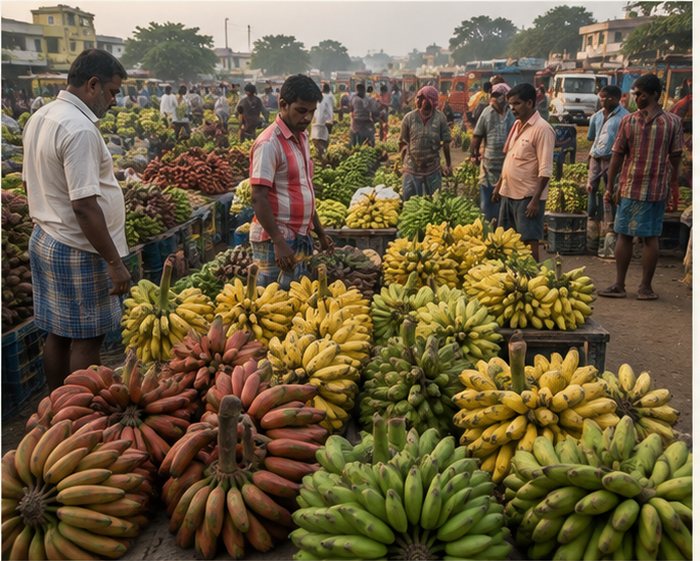
An unusual, genuinely local market — around 16 varieties of banana, sold at a scale you don't see outside a serious wholesale market. Busiest in the early morning when vendors bring stock in from outlying farms. More of a "see how the city actually functions" stop than a typical tourist attraction, which for some visitors is exactly the appeal.
Vilachery Pottery Village
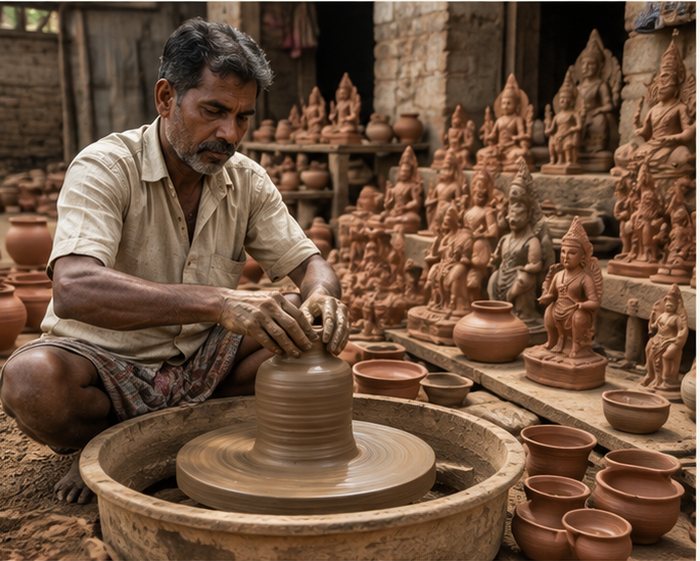
A working pottery village where artisans still hand-make idols and everyday clay items. Worth a slow walk-through rather than a quick stop — the interest here is in watching the actual craft process, not a single photo-worthy sight.
Beyond Hindu Temples
Madurai's religious life isn't only Hindu temples, and a few sites are worth knowing about if that interests you: Kazimar Big Mosque, believed to be the city's first mosque; St. Mary's Cathedral, seat of the Roman Catholic Archdiocese of Madurai, with a striking Nativity display at Christmas; and ISKCON Madurai, dedicated to Krishna and Radha, with a pure-vegetarian eatery on the premises.
Planning a Shopping & Food Day
Pudhu Mandapam, Murugan Idli Shop, and the Banana Market are all close enough to the temple area to combine into a single half-day loop without much backtracking - worth asking your driver to plan the stops in that order rather than zig-zagging across the city. Vilachery Pottery Village sits a bit further out, so it fits better as a separate stop if you have a second half-day free.